
Car accidents can turn your life upside down in an instant. Whether it’s whiplash, back pain, or joint stiffness, even a minor collision can leave lasting physical effects. If you’ve recently been in a crash, knowing what to do next is key to protecting your health. This guide explores how physical therapy can help you recover safely, reduce long-term pain, and get back to your normal routine.
Why Immediate Care Matters After a Car Accident
After an accident, many people assume the pain will go away on its own. But untreated injuries—especially soft tissue damage—can worsen over time, leading to chronic pain, mobility loss, and even nerve issues. Seeking care early allows trained professionals to assess hidden injuries and prevent long-term damage.
Delaware residents, for instance, can access high-rated auto accident rehabilitation services through clinics like Performance Physical Therapy, known for personalized care and proven results.
Understanding Common Car Accident Injuries
Each crash is different, but there are several types of injuries commonly treated in physical therapy after an accident:
- Whiplash: Caused by sudden neck motion, leading to pain, stiffness, and headaches.
- Lower Back Pain: Often due to spinal misalignment or strained muscles.
- Joint Injuries: Knees, shoulders, and hips can be bruised or dislocated during impact.
- Nerve Pain: Tingling, numbness, or shooting pain often result from pinched nerves.
- Soft Tissue Injuries: Bruising, muscle tears, and inflammation can limit mobility.
These issues may not show up on X-rays and often require a physical therapist’s evaluation to diagnose correctly.
What to Expect from Auto Accident Rehabilitation
A typical physical therapy program begins with a thorough evaluation to understand your pain, range of motion, and functional limitations. From there, a custom recovery plan is created. Treatments may include:
- Manual Therapy: Hands-on techniques that reduce stiffness and improve circulation.
- Stretching & Strengthening: Restores flexibility while rebuilding muscle support.
- Neuromuscular Re-education: Helps retrain movement patterns to avoid reinjury.
- Posture Correction: Prevents stress on healing areas and promotes better alignment.
Therapists also use heat, cold, electrical stimulation, or ultrasound to accelerate healing. Each session is tailored to your progress, ensuring safe recovery.
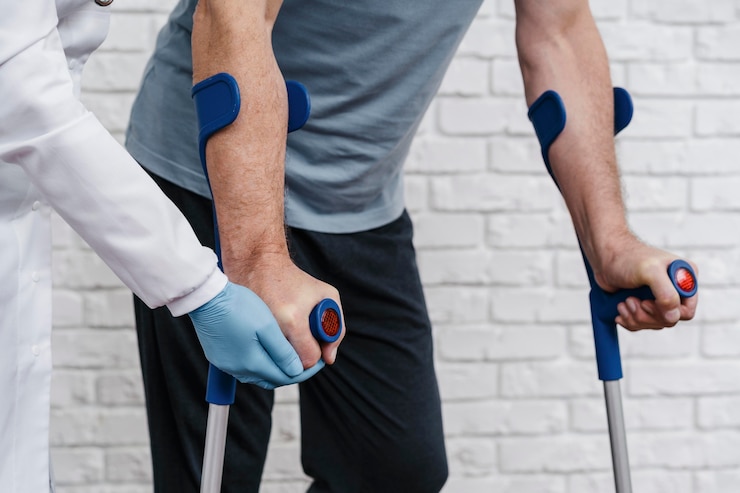
The Role of Physical Therapy in Wreck Recovery
Healing from an accident is more than just letting your body rest—it’s about actively working to regain control. Physical therapy supports both short-term pain relief and long-term health.
Patients who engage in guided wreck recovery typically experience:
- Reduced inflammation and faster tissue healing
- Improved balance and strength
- Decreased reliance on pain medications
- Prevention of long-term complications like arthritis or nerve pain
Many patients also report better sleep, increased energy, and a greater sense of confidence as they regain movement.
Choosing the Right Rehabilitation Provider
Not all physical therapy clinics are the same. When choosing where to go after an accident, look for:
- Experience with auto injuries: Clinics like Performance Physical Therapy have over 35 years of experience treating crash-related conditions.
- Customized treatment plans: Your injuries are unique—your care plan should be too.
- Private treatment rooms: Comfort and privacy help patients relax and focus on recovery.
- Insurance support: A good clinic assists with billing and communicates directly with your insurance provider.
Reviews and testimonials are also helpful. High patient ratings are a strong indicator of effective, compassionate care.
When to Start Auto Injury Physical Therapy
In Delaware, you don’t need a doctor’s referral to start physical therapy. The best time to begin is within days of the accident—even if the pain seems minor. Early intervention can significantly shorten your recovery time and reduce the risk of chronic issues.
If your pain appears later or worsens over time, it’s still not too late. Physical therapy can be effective weeks or even months after the crash, depending on the injury.
Conclusion: Take Charge of Your Recovery
Recovering after a car accident doesn’t have to be overwhelming. With the right support, tools, and treatment plan, you can take control of your healing process. Physical therapy is a proven, safe, and drug-free way to reduce pain, improve movement, and avoid long-term complications.
By choosing experienced professionals and beginning therapy as early as possible, you set yourself up for a faster, more complete recovery. Don’t let a car accident define your health—start your rehabilitation journey today.

